NEWS
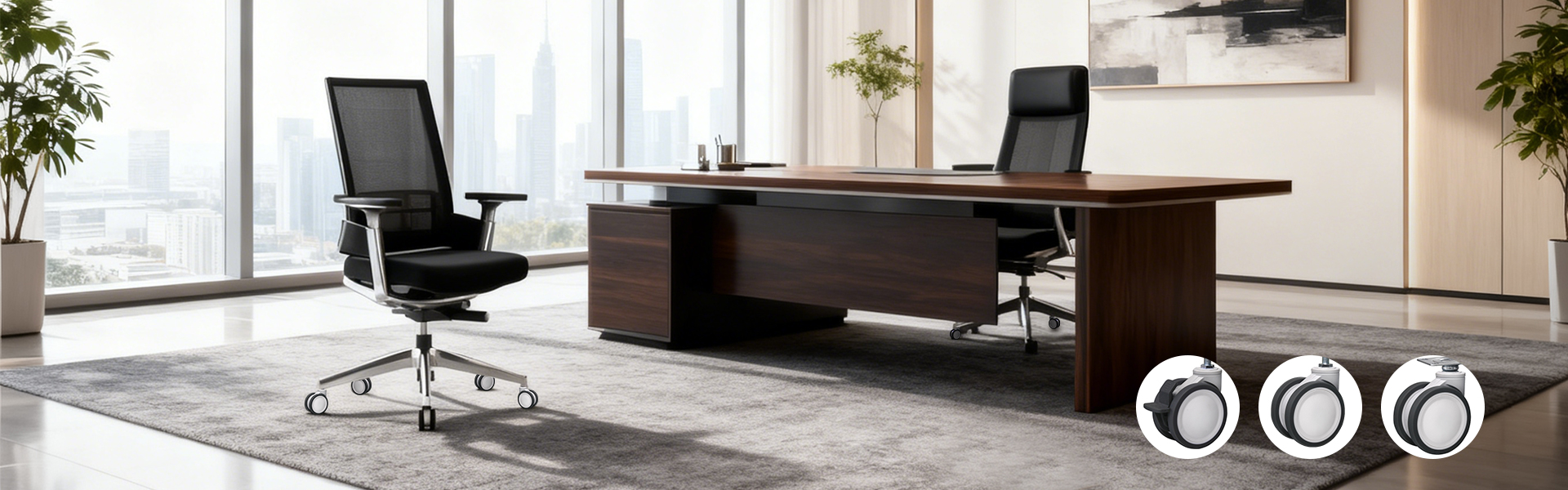
What Are the Differences Between Light Duty and Medium Duty Casters?
2026-11-19
Choosing the Right Caster
Choosing the right caster wheels helps ensure smooth movement, safe load handling, and long service life. Light duty and medium duty casters are both widely used, but they are designed for different loads and applications.
1. Light Duty Casters
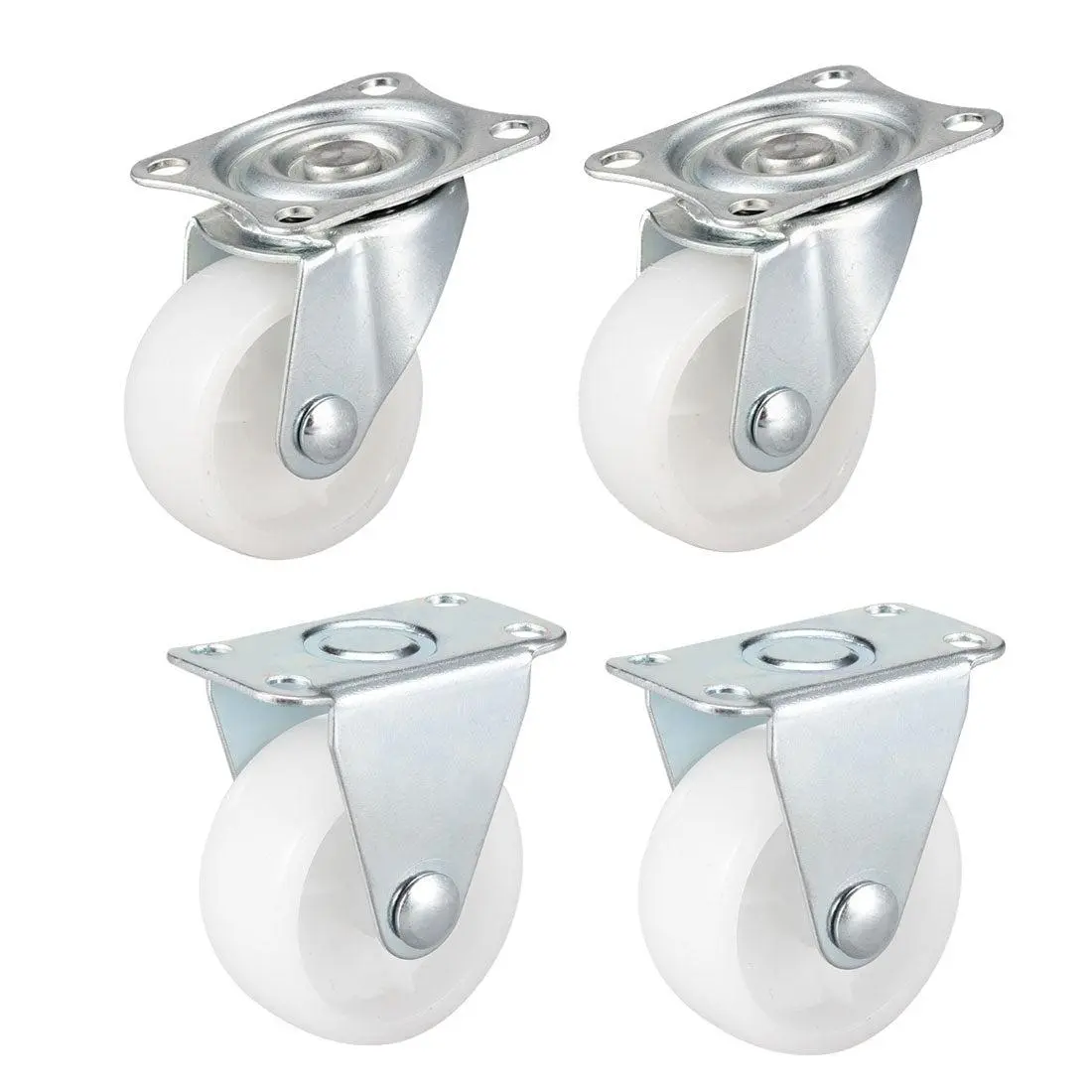
Light duty casters are designed for lightweight equipment such as furniture, office cabinets, display racks, and storage shelves. They usually have compact designs and smaller wheel diameters.
Typical features include:
· Approximate load capacity: 25–80 kg per caster, depending on the model
· Common wheel sizes: 1.5–3 inches
· Materials: PP, PVC, PU, and TPR
Explore Promove's Light Duty Casters for different sizes and material options.
2. Medium Duty Casters
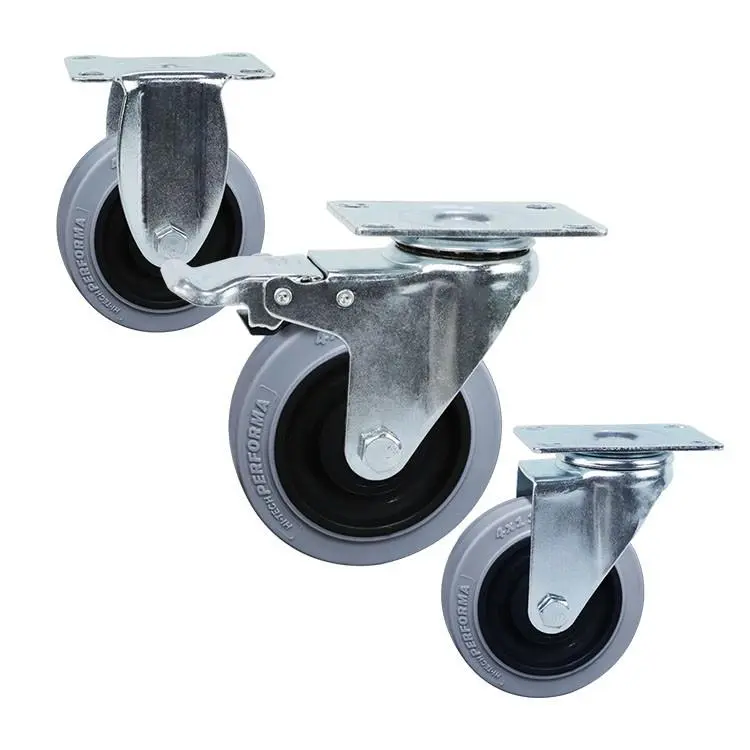
Medium duty casters are designed for heavier equipment and more demanding applications, such as warehouse carts, industrial trolleys, and workshop equipment. They generally feature larger wheels and stronger construction.
Typical features include:
· Promove model load capacities: approximately 80–120 kg per caster
· Common wheel sizes: 2.5–5 inches
· Materials: PP, TPR, PU, and rubber
See our Grey TPR Medium Duty Caster for a product example.
3. Main Differences
|
Feature |
Light Duty |
Medium Duty |
|
Load capacity |
Approx. 25–80 kg |
Approx. 80–120 kg* |
|
Wheel size |
1.5–3 inches |
2.5–5 inches |
|
Construction |
Compact, lightweight |
Stronger, more robust |
|
Applications |
Furniture, cabinets |
Carts, trolleys, equipment |
*Load capacities are indicative and vary by specific model and operating conditions.
4. How to Choose the Right Caster
Before selecting a caster, consider these four factors:
· Total load: Calculate the equipment weight plus the goods it will carry. Allow for uneven load distribution and a suitable safety margin.
· Floor conditions: TPR wheels are useful where quiet movement and floor protection matter; PU wheels offer good wear resistance.
· Frequency of use: For frequent movement and heavier loads, medium duty casters may be more suitable.
· Installation size: Check wheel diameter, overall height, mounting plate dimensions, and bolt-hole spacing.
Find the Right Casters at Promove
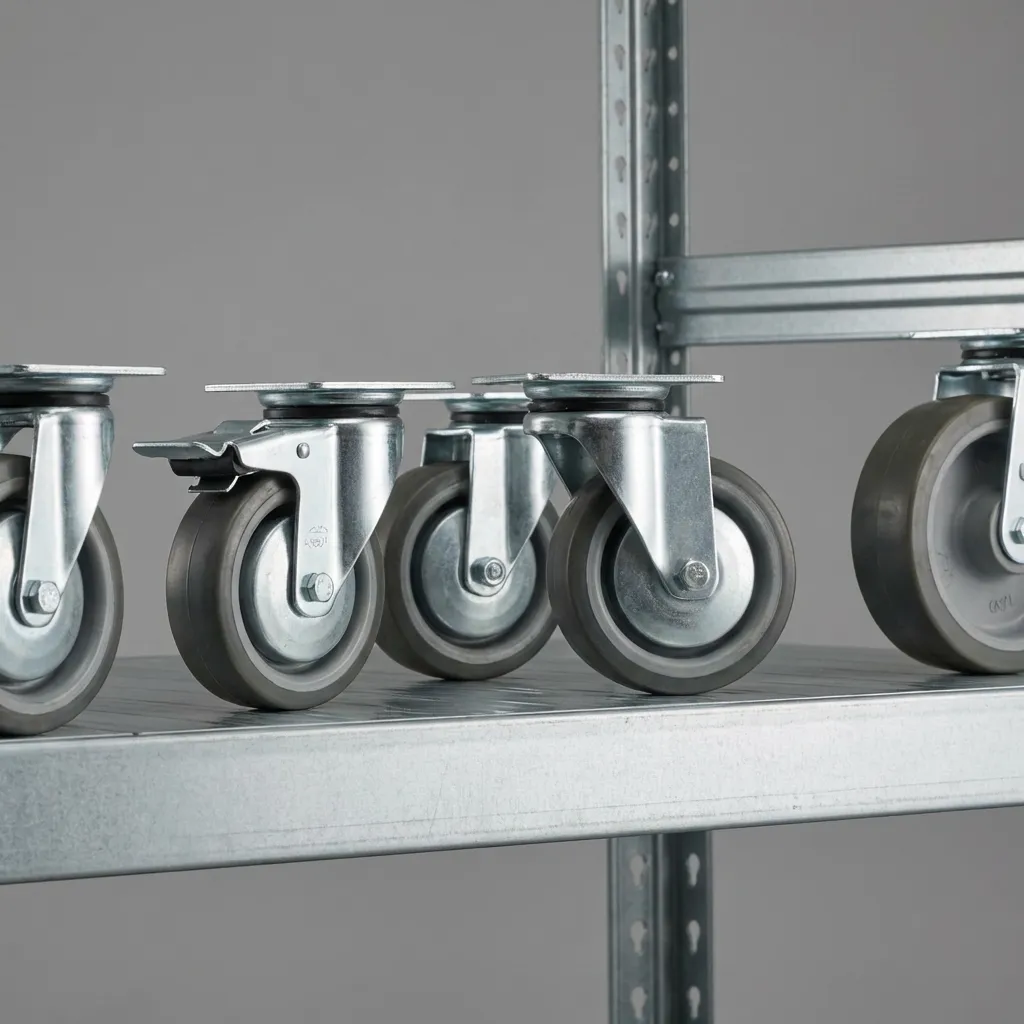
Promove Caster offers light duty and medium duty caster wheels in various sizes and materials for furniture, commercial, and industrial applications.
Browse Light Duty Casters | Browse Medium Duty Casters
Need help choosing the right caster for your project? Contact Promove to discuss your requirements.
Email: enquiry@promovecaster.com
Website: https://www.promovecaster.com/
Choosing the Right Caster
Choosing the right caster wheels helps ensure smooth movement, safe load handling, and long service life. Light duty and medium duty casters are both widely used, but they are designed for different loads and applications.
1. Light Duty Casters
Light duty casters are designed for lightweight equipment such as furniture, office cabinets, display racks, and storage shelves. They usually have compact designs and smaller wheel diameters.
Typical features include:
· Approximate load capacity: 25–80 kg per caster, depending on the model
· Common wheel sizes: 1.5–3 inches
· Materials: PP, PVC, PU, and TPR
Explore Promove's Light Duty Casters for different sizes and material options.
2. Medium Duty Casters
Medium duty casters are designed for heavier equipment and more demanding applications, such as warehouse carts, industrial trolleys, and workshop equipment. They generally feature larger wheels and stronger construction.
Typical features include:
· Promove model load capacities: approximately 80–120 kg per caster
· Common wheel sizes: 2.5–5 inches
· Materials: PP, TPR, PU, and rubber
See our Grey TPR Medium Duty Caster for a product example.
3. Main Differences
|
Feature |
Light Duty |
Medium Duty |
|
Load capacity |
Approx. 25–80 kg |
Approx. 80–120 kg* |
|
Wheel size |
1.5–3 inches |
2.5–5 inches |
|
Construction |
Compact, lightweight |
Stronger, more robust |
|
Applications |
Furniture, cabinets |
Carts, trolleys, equipment |
*Load capacities are indicative and vary by specific model and operating conditions.
4. How to Choose the Right Caster
Before selecting a caster, consider these four factors:
· Total load: Calculate the equipment weight plus the goods it will carry. Allow for uneven load distribution and a suitable safety margin.
· Floor conditions: TPR wheels are useful where quiet movement and floor protection matter; PU wheels offer good wear resistance.
· Frequency of use: For frequent movement and heavier loads, medium duty casters may be more suitable.
· Installation size: Check wheel diameter, overall height, mounting plate dimensions, and bolt-hole spacing.
Find the Right Casters at Promove
Promove Caster offers light duty and medium duty caster wheels in various sizes and materials for furniture, commercial, and industrial applications.
Browse Light Duty Casters | Browse Medium Duty Casters
Need help choosing the right caster for your project? Contact Promove to discuss your requirements.
Email: enquiry@promovecaster.com
Website: https://www.promovecaster.com/
Previous: No more data

Contact Info
Email: enquiry@promovecaster.com
Tel: +86 17724105224
WhatsApp: +86 17724105224
Address: Yonglong Road, JiDongYi, Xiaolan Town, Zhongshan City, Guangdong Province, China
Copyright © 2025 Zhongshan Promove Caster Co., Ltd.